Tax Efficient Wealth Transfer Strategies That Work

What happens if your family inherits valuable assets but has no clear plan for taxes, control, or management? Too often, a successful business, a rental portfolio, or a retirement account becomes harder to preserve after the owner dies than it was to build. Tax efficient wealth transfer strategies are designed to prevent that outcome by coordinating how assets are owned, transferred, valued, and managed before a crisis forces the issue.

The goal is not to avoid taxes at all costs. A sound plan balances tax savings against control, cash flow, family dynamics, creditor exposure, and the practical ability of the next generation to manage what they receive. The best strategy depends on what you own, where you live, who will inherit, and what you want your wealth to accomplish.

Start With the Asset, Not the Document

A will or trust is necessary for many families, but it is not the entire wealth-transfer plan. Tax results often begin with the asset itself: how it is titled, what it is worth, whether it has appreciated, and whether it will produce income after you are gone.

Consider two common assets. A long-held rental property may have substantial unrealized capital gain. A traditional IRA may have no capital gain, but every dollar generally represents income that has not yet been taxed. Leaving each asset to the same person in the same way may look fair on paper while producing very different after-tax results.

That is why ownership records, basis information, beneficiary designations, operating agreements, insurance policies, and estate planning documents must work together. If they conflict, the document you assumed controlled the outcome may not control it at all.

Know which assets may receive a basis adjustment

Under current federal law, assets included in a decedent’s taxable estate may receive a basis adjustment at death, commonly called a step-up in basis. For appreciated real estate, stock, or a business interest, this can be a major planning opportunity. An heir who sells soon after inheritance may owe far less capital gains tax than if the asset had been gifted during the owner’s lifetime.

That does not mean lifetime gifts are always a mistake. Gifting can remove future appreciation from an estate, help a child acquire an asset earlier, and support a long-term succession plan. But gifted property generally carries over the donor’s basis. Before transferring a highly appreciated asset, compare the estate-tax benefit of a gift with the potential capital gains cost to the recipient.

This question becomes especially relevant for Illinois families. Illinois has its own estate tax system, and its exemption amount can be materially different from the federal exemption. A family that expects no federal estate tax may still need an Illinois-focused plan. Tax laws and exemption amounts can change, so decisions should be modeled using current rules rather than assumptions from an old article or conversation.

Tax Efficient Wealth Transfer Strategies for Business Owners

For a business owner, wealth transfer is also a continuity plan. If ownership moves to children or other successors without a clear structure, the surviving family may inherit conflict instead of value.

A thoughtful succession plan identifies who will own the business, who will manage it, and how nonparticipating heirs will be treated. Those are separate questions. A child who works in the company may be the right person to lead it, while another child may receive other assets or life insurance to create a more balanced inheritance.

Transfer ownership gradually when it serves the plan

A business owner may use lifetime gifts, sales to family members, trusts, or a combination of methods to shift future growth out of the owner’s estate. Valuation matters. A minority interest in a closely held business may not be worth the same per-share amount as a controlling interest, and restrictions in a well-designed operating agreement can affect both management and valuation.

These techniques require discipline. A valuation cannot be invented to produce a preferred tax result, and a transfer that is only nominal can invite scrutiny. The owner must also retain enough income, liquidity, and decision-making authority to live comfortably and operate the business effectively.

A buy-sell agreement can be equally important. It can establish what happens if an owner dies, becomes disabled, retires, divorces, or wants to sell. Without an agreed process and a realistic funding source, a surviving family may be forced to negotiate with partners at the worst possible time.

Use life insurance to solve a liquidity problem

Estate taxes, debts, equalization payments, and business expenses are paid with cash, not with good intentions. A family may own a valuable company or a portfolio of properties but lack the liquidity to pay obligations without selling under pressure.

Appropriately structured life insurance can create liquidity for the estate, fund a buy-sell obligation, or provide an inheritance for heirs who will not receive the operating business. Insurance is not automatically the right answer. Premium cost, ownership structure, beneficiary designations, and policy performance all deserve careful review. Still, for an illiquid estate, it can be one of the cleanest ways to preserve a business or property portfolio intact.

Real Estate Requires a Different Conversation

Real estate investors often focus on asset protection during life and overlook the transfer mechanics at death. A property held in an LLC, for example, may offer operational and liability advantages, but the LLC interest still needs a clear succession path.

If several children inherit interests in a rental-property entity, who makes leasing, refinancing, repair, and sale decisions? Can an heir transfer an interest to a spouse or creditor? Is there a right to buy out an heir who wants cash? The answers should appear in governing documents, not emerge during a family dispute.

For appreciated property, evaluate whether holding until death may preserve a basis adjustment. For a property that is likely to grow substantially in value, an earlier transfer may have estate-planning advantages. Neither answer is universal. The right choice depends on projected appreciation, expected estate-tax exposure, income needs, the property’s debt, the owner’s health, and the family’s ability to manage it.

Do Not Treat Retirement Accounts Like Ordinary Inheritances

Retirement accounts pass by beneficiary designation, which means they can bypass a will or trust. That efficiency can become a problem when the designation is outdated or when the named beneficiary is not prepared to handle a large taxable account.

Traditional retirement accounts generally create income tax for the beneficiary as distributions are taken. Federal distribution rules can require many non-spouse beneficiaries to withdraw inherited account funds within a limited period, potentially pushing them into higher tax brackets. Roth accounts operate differently, but they still require accurate beneficiary planning and coordination with the rest of the estate.

A simple but powerful question is this: which beneficiary is best positioned to receive which asset? A high-income adult child may not be the best recipient of a large traditional IRA if another heir has a lower tax bracket or different financial needs. Fairness does not always mean identical assets. It means considering the after-tax value and purpose of each inheritance.

Use Trusts for Control When Control Matters

A trust is not a magic tax eraser. Its real value often lies in control, protection, and management. A properly designed trust can help protect an inheritance from a beneficiary’s creditors, divorce, poor financial decisions, or premature spending. It can also establish who manages assets for a minor child, a beneficiary with special needs, or an heir who is not ready to handle a substantial inheritance.

Certain trust strategies may also support estate-tax planning, especially for married couples, business owners, and families with assets likely to appreciate. But complexity has a cost. The more complicated the structure, the more important it is to understand administration, tax reporting, trustee selection, and whether the plan still fits the family years later.

The right trustee is not always the oldest child or the person with the strongest opinions. Choose someone with judgment, availability, and the willingness to follow the plan. In some situations, separating investment management, business oversight, and family distribution decisions can reduce conflict.

The Most Expensive Mistakes Are Often Administrative

Many wealth-transfer plans fail not because the original strategy was poor, but because nobody maintained it. A trust may be signed but never funded. A former spouse may remain on a retirement account. An LLC agreement may say one thing while ownership records say another. A business valuation may be ten years old and unusable.

Review your plan after a major life event, a business sale or expansion, a significant property acquisition, a move to another state, a marriage or divorce, or a meaningful change in tax law. At a minimum, revisit key documents and beneficiary designations every few years.

Also keep a practical inventory. Your future fiduciary should be able to identify accounts, deeds, entity records, insurance policies, digital access procedures, professional advisors, and the location of original documents. Organization is not glamorous, but it is a wealth-preservation strategy.

Build the Plan Before the Transfer Is Urgent

The strongest tax efficient wealth transfer strategies are built while you still have choices. They integrate estate planning, business succession, real estate ownership, retirement assets, insurance, and family communication into one Architecture of Wealth.

Begin by listing what you own, how each asset is titled, its estimated value and tax basis, and who is currently named to receive it. Then identify the pressure points: potential estate tax, concentrated business value, illiquid real estate, unequal inheritances, aging documents, or heirs who need protection rather than an outright distribution.

A helpful next step is to have an estate planning attorney and qualified tax professionals review the plan together, particularly when a business, significant real estate, or multigenerational assets are involved. The most valuable outcome is not merely a lower tax bill. It is a transfer that preserves the assets you built, gives your family a workable path forward, and avoids forcing difficult decisions when they are least prepared to make them.

WATCH THIS SHORT 2 MIN VIDEO TUTORIAL
Watch the short NO BS 2 min companion video for additional practical strategies and real-world examples on this topic.

👉 [Watch the Companion Video](https://youtu.be/42LSCO-G088)

https://youtu.be/42LSCO-G088

GET YOUR FREE PERSONALIZED BUSINESS ASSESSMENT (All private and online ) Every situation is different. Whether you’re a business owner, real estate investor, planning your estate, or dealing with inherited property, the best strategy depends on your specific circumstances. Take my FREE confidential private online assessment to identify opportunities, avoid costly mistakes, and determine the next best step for your SPECIFIC situation. 👉 Start Your FREE Private Online Assessment Here:

What Is A ‘Revocable Living Trust” And Why You Need One

Revocable trust on a wooden desk.


Just south of ‘Sawmill Creek…..
Hi Attorney Kevin Pritchett here

    I conclude this Basic Estate Planning Series with an explanation of the centerpiece of a proper Estate plan…The Revocable Living Trust

“What Is A Revocable Living Trust?”
     A Revocable Living Trust (RLT)  is a document you sign that provides for the transfer of all the assets in your Estate upon your death.

    Most people believe that its the WILL that transfers your assets..  A Will CAN transfer your assets upon your death if a Will is all you have.

    Remember, if you have a Will, your heirs are REQUIRED to file that will with the Probate Court of the County where you died and the Probate Legal Process takes over…..a costly and time consuming legal court process where your entire estate is made public and  anyone with a possible claim can file a petition with the court and adjudicate that claim.

    On the other hand, with a RLT all your estate assets are listed and you provide for any gifts and transfers you wish to make right in the Trust.

    The big differences are:
==the RLT is completely private…no court filing
required
==the RLT names a Trustee to handle the affairs  of the
RLT…not a court who names an administrator.
==you save time and court expenses

You Can Make Changes To Your RLT
    As long as you are alive and mentally competent you can make any changes you want to your RLT.However, once you become mentally incompetent(as determined by provisions of the RLT itself…no court determination required) or die, the RLT provisions become locked in and no changes can be made by the Trustee.

“Ok..But Why Do I Need Revocable Living Trust?”
    Glad you asked!!      Let’s say you own your personal home and maybe a vacation home.  The title to each of these parcels of real estate is you and your spouse in joint tenancy or tenancy by the entirety (which means if one of you dies the surviving spouse has automatic title to the real estate).

     The problem with this type of title is…..what if BOTH you and your spouse pass away at the same time..???  

Answer:  the real estate has no living title owner and the heirs must GO TO PROBATE COURT to sort it out….not good.  Expense, delays and possibility of disputes with potential creditors.

       ALL of your real estate should be titled in your Revocable Living Trust.  The RLT states that both spouses are GRANTORS of the RLT and also provides a Trustee to take over administration of Trust after the last of the two Grantors dies.      

     Without this RLT in the same situation above, your family would have to file an expensive and time consuming petition with Probate Court for someone to be named administrator or guardian so as to transact your business.   

     Besides the expense of hiring a Probate Attorney
($2500 to $5,000 minimum Retainer plus ongoing
hourly legal fees), the case could take 12-18 months
to resolve.  Add THAT potential cost up at $375/hour or more per hour!!!

Eliminates The Expense And Delay of Probate

Without this RLT
in the same situation above, your family would have to file an expensive and time consuming petition with Probate Court for someone to be named administrator or guardian so as to transact your business.   

     Besides the expense of hiring me as a Probate Attorney ($2500 to $5,000 minimum Retainer plus ongoing hourly legal fees), the case could take 12-18 months to resolve.  Add THAT potential cost up at $375/hour or more!!!

Reach Out To Me If You Have Questions.  
If you have comments or questions about any of this…

CLICK HERE  to schedule your FREE CONSULTATION

OR

send me an email : ironkop@gmailcom or

if reading on my blog or Facebook page leave your questions or comments below.

Remember…..
Things Don’t Get Better With Neglect…..”

Kevin Pritchett, Esq
Law Office of Kevin Pritchett, Inc.
www.KevinPLaw.com
ironkop@gmail.com
312-505-1957

The Most Frightening Crime Risk You Face Right Now… Real Estate Cybercrime!!


Just south of ‘Sawmill Creek…..
Hi Attorney Kevin Pritchett here
The Most Frightening Risk You Face Right Now:
CYBERCRIME
Cybercrime In Real Estate Transactions
    Here’s some statistics for you….

–in 2018 there was over $300-$600 Billion in attempted cybercrime

–while the average garden variety bank robbery yields $3800
  the average cybercrime yields over $160,000!!!
you are most vulnerable in a real estate transaction
   where cyber thieves hijack email accounts and
   send you FAKE WIRE INSTRUCTIONS so you
   end up wiring your real estate money NOT to the
   title company but to the cyber thief’s bank account.
How To Protect Yourself
1.  Be vigilant against PHISING emails
    A phising email is a fake email that
pretends to be from a trusted source and
asks for personal information…sometimes
even responding to these emails will hijack
your email account and give access to the
thieves.
    If the email doesn’t make sense or is
asking for personal info; ssn, drivers license,
tax id number, birthday, STOP, THINK AND
INVESTIGATE.
    If you believe the email is fake report it to:
www.IC3.gov so the FBI can begin an investigation
2.  Confirm Everything…verify everything
immediately
    In a real estate transaction..ALWAYS, ALWAYS
ALWAYS, call the title company involved in
your deal and verbally confirm that the wire instructions
you received are the legitimate wire instructions

from that title company.

     Also, independently confirm the phone number
and address of the title company through your
own google search…to make sure the phone
number on the wire instructions you receive
is legitimate and not fake.
3.  What To Do If You’ve Been Targeted
== Immediately call your bank and ask
them to issue a recall notice for your wire.
==Report the crime to www.IC3.gov
==Call your regional FBI office and police
==Detecting that your money has been hijacked
and reporting it within 24 hours is the best chance
of recovering any money lost!!!!
For more info see:
www.stopwirefraud.org

Reach Out To Me If You Have Questions.

OR
…send me an email :ironkop@gmailcom
or if reading on my blog or Facebook page
leave your questions or comments below.

Remember…..

Things Don’t Get Better With Neglect…..”
Kevin Pritchett, Esq
Law Office of Kevin Pritchett, Inc.
312-505-1957
ironkop@gmail.com

What Is A ‘Revocable Living Trust” And Why You Need One

Revocable trust on a wooden desk.


Just south of ‘Sawmill Creek…..
Hi Attorney Kevin Pritchett here

    I conclude this Basic Estate Planning Series with an explanation of the centerpiece of a proper Estate plan…The Revocable Living Trust

“What Is A Revocable Living Trust?”
     A Revocable Living Trust (RLT)  is a document you sign that provides for the transfer of all the assets in your Estate upon your death.

    Most people believe that its the WILL that transfers your assets..  A Will CAN transfer your assets upon your death if a Will is all you have.

    Remember, if you have a Will, your heirs are REQUIRED to file that will with the Probate Court of the County where you died and the Probate Legal Process takes over…..a costly and time consuming legal court process where your entire estate is made public and  anyone with a possible claim can file a petition with the court and adjudicate that claim.

    On the other hand, with a RLT all your estate assets are listed and you provide for any gifts and transfers you wish to make right in the Trust.

    The big differences are:
==the RLT is completely private…no court filing
required
==the RLT names a Trustee to handle the affairs  of the
RLT…not a court who names an administrator.
==you save time and court expenses

You Can Make Changes To Your RLT
    As long as you are alive and mentally competent you can make any changes you want to your RLT.However, once you become mentally incompetent(as determined by provisions of the RLT itself…no court determination required) or die, the RLT provisions become locked in and no changes can be made by the Trustee.

“Ok..But Why Do I Need Revocable Living Trust?”
    Glad you asked!!      Let’s say you own your personal home and maybe a vacation home.  The title to each of these parcels of real estate is you and your spouse in joint tenancy or tenancy by the entirety (which means if one of you dies the surviving spouse has automatic title to the real estate).

     The problem with this type of title is…..what if BOTH you and your spouse pass away at the same time..???  

Answer:  the real estate has no living title owner and the heirs must GO TO PROBATE COURT to sort it out….not good.  Expense, delays and possibility of disputes with potential creditors.

       ALL of your real estate should be titled in your Revocable Living Trust.  The RLT states that both spouses are GRANTORS of the RLT and also provides a Trustee to take over administration of Trust after the last of the two Grantors dies.      

     Without this RLT in the same situation above, your family would have to file an expensive and time consuming petition with Probate Court for someone to be named administrator or guardian so as to transact your business.   

     Besides the expense of hiring a Probate Attorney
($2500 to $5,000 minimum Retainer plus ongoing
hourly legal fees), the case could take 12-18 months
to resolve.  Add THAT potential cost up at $375/hour or more per hour!!!

Eliminates The Expense And Delay of Probate

Without this RLT
in the same situation above, your family would have to file an expensive and time consuming petition with Probate Court for someone to be named administrator or guardian so as to transact your business.   

     Besides the expense of hiring me as a Probate Attorney ($2500 to $5,000 minimum Retainer plus ongoing hourly legal fees), the case could take 12-18 months to resolve.  Add THAT potential cost up at $375/hour or more!!!

Reach Out To Me If You Have Questions.  
If you have comments or questions about any of this…

CLICK HERE  to schedule your FREE CONSULTATION

OR

send me an email : ironkop@gmailcom or

if reading on my blog or Facebook page leave your questions or comments below.

Remember…..
Things Don’t Get Better With Neglect…..”

Kevin Pritchett, Esq
Law Office of Kevin Pritchett, Inc.
www.KevinPLaw.com
ironkop@gmail.com
312-505-1957

CD Replacement: Want 4% Return Guaranteed For 4 Years?

  BANK CD REPLACEMENT:
EARN 4% FOR 5 YEARS

  RATHER THAN BANK LOUSY 1%

Just south of Saw Mill Creek…

Hey Kevin Pritchett here:

Lousy 1% Bank CD Rates Got You Disgusted? 
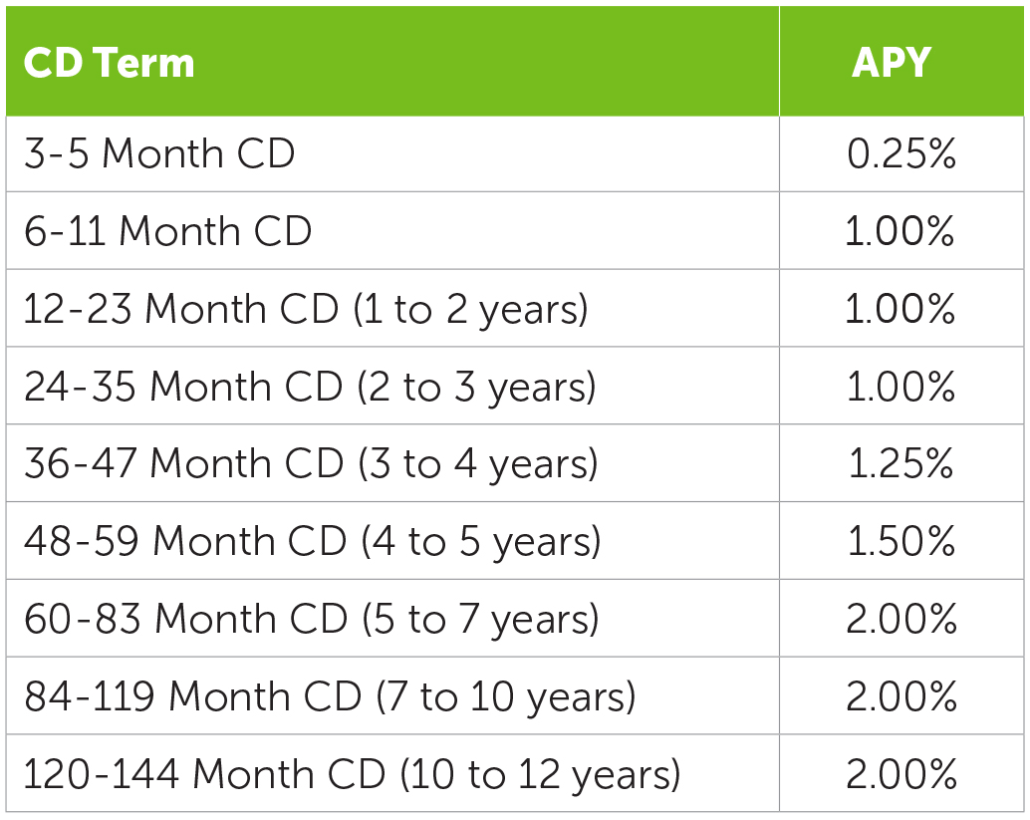
    You want safety so you buy a bank CD.  Currently rates are at 1% or so….at that rate you’re not even keeping up with inflation….not to mention taxes on what little gains you have.

Earn 4% With Safety
    
Right now you can earn 4% for 5 years
on your money in a Safe, Guaranteed Annuity.   
Pretty simple,,,on $100,000 in 5 years:
With Bank CD:
     $1,000
With 5 Year 4% Guaranteed Safe Annuity    
$4,000 

a 400% increase in return compared to current bank CD rates…GUARANTEED!!

You Snooze You Lose 
I’m surprised these rates are still available!!   As a mentor of mine taught me years ago…..

You can’t steal in slow motion….

If you want to lock in 4% better move fast!!!

Profit From Market Upsides And
Eliminate Losses From Downturns

        The product above can give you a guaranteed
rate for 5 years WITH SAFETY  that FAR exceeds bank CDS.

        If you’d like to have the possibility of earning higher rates, there  are equity indexed
annuities that give you the opportunity to lock
in stock market gains without any stock market losses.

     Rather than wring your hands over low rates, continue to do  nothing and/or live in
constant fear…you can  implement simple, safe,
proven strategies that  can give you access
to all market upsides and eliminate any losses
from market downturns.

     Over the last 20 years I’ve helped HUNDREDS
of people and business owners create safe plans
that allow them to grow their assets, generate
tax free income streams at retirement (and have
their business pay for it…legally) and as a result,
sleep worry free when the markets gyrate.

For all the details WATCH THIS VIDEO

or to get info even faster

 Call right now to set up a time to discuss how I  can help
312-505-1957

Remember…
Things don’t get better with neglect…..”

Talk Soon

Kevin Pritchett, Esq
Law Office of Kevin Pritchett
312-505-1957

P.S. 
WATCH THIS VIDEO then
Call to set up a time to discuss how I  can help
312-505-1957

What Is A ‘Power of Attorney For Property’ And Why You Need One

Just south of ‘Sawmill Creek…..
Hi Attorney Kevin Pritchett here

“What Is A Power of Attorney For Property?”   
  A Power of Attorney For Property is a document you sign that gives the person you designate the power to handle business matters for you in the event you are unable to make decisions for yourself.

     A Power of Attorney For Property is only applicable while you are incapacitated and alive. Once you become able to handle your affairs, the person named is no longer entitled to handle your affairs.  Alternatively if you die, the document is no longer valid.

“Ok..But Why Do I Need A Power of Attorney For Property?”
    Glad you asked!!      Let’s assume you have dementia and are no longer possessed of a mental state considered necessary to knowingly handle your business affairs.  In other words, in this example, you do not have the mental capacity to transact your business affairs. 

       With a valid Power of Attorney For Property
the person you name in that document to handle your business affairs can carry on for your benefit without your heirs having to file a petition in Probate Court to be named as a guardian.

Eliminates The Expense And Delay of Probate
     Without this Power of Attorney For Property in the same situation above, your family would have to file an expensive and time consuming petition with Probate Court for someone to be named administrator or guardian so as to transact your business. 

Besides the expense of hiring a Probate Attorney ($2500 to $5,000 minimum Retainer plus ongoing hourly legal fees), the case could take 12-18 months to resolve.   Add THAT potential cost up at $375/hour!!!

Reach Out To Me If You Have Questions.  
If you have comments or questions about any of this…send me an email :
ironkop@gmailcom
or if reading on my blog or Facebook page leave your questions or comments below.

Remember…..
Things Don’t Get Better With Neglect…..”  

Kevin Pritchett, Esq
Law Office of Kevin Pritchett, Inc
ironkop@gmail.com
www.KevinPLaw.com
312-505-1957

” Will Social Security Run Out Of Money?”

Just south of ‘Sawmill Creek…..
Hi Attorney Kevin Pritchett here
     Before I answer the question of

Will Social Security Run Out?

I have to explain how Social Security is funded and hence how you are taxed for it.

How Much  Social Security Tax Will You Pay?   
Social Security taxes are paid on amount of all wages earned.  In 2018 the maximum income for social security tax is $128,400 and the maximum tax on that amount is 6.2%.  So if someone earned the maximum of $128,400 they would pay $7960.

Medicare Tax
    There is an additional 1.45% tax to fund Medicare.  This tax is uncapped so no matter what your earned income you pay this 1.45%.

     If you earn over $200,000 you pay an additional 9% for single filers and heads of households and that 9% is assessed on earned income over $125,000 for married filers filing separately and over $250,000 for married couples filing jointly.

Employers Social Security and Medicare Contributions
   
In addition to the part employees pay Employers pay 12.4% of employees salary for Social Security and  2.9% for Medicare.

Self Employed Contributions
  
Self employeds who earn $128,4400, or more
would have to pay the whole $15,921.60.

However, these self employeds can deduct half of the
Social Security taxes paid to reduce their
adjusted gross income. 

Projected Social Security Trust Fund Shortfall
     Here’s the issue regarding your retirement planning…according to Social Security Administration due to rising costs and diminished revenues, by 2034 there will be projected shortfall in the Social Trust Fund. 

     As a result either benefits will be reduced ortaxes will be increased…neither situation is good news.

Take Home Message On Social Security 
DON’T RELY ON SOCIAL SECURITY ALONE FOR YOUR RETIREMENT NEEDS!!!!

    You need to plan your savings so that you receive GUARANTEED, LIFETIME INCOME  no matter what SOCIAL SECURITY OR STOCK MARKET DOES!!!

     Don’t believe me……just talk to any number of your friends who are still working past 65 because they lost money in the 2008 recession!!!

    There are things you can do to protect your retirement income…

Reach Out To Me If You Have Questions. 
If you have comments or questions about any of this…send me an email :ironkop@gmailcom
or if reading on my blog or Facebook page leave your questions or comments below.

Remember…..”Things Don’t Get Better With Neglect…..”

Kevin Pritchett, Esq
Law Office of Kevin Pritchett, Inc.  
ironkop@gmail.com
www.KevinPLaw.com
312-505-1957

Business Structure Part 2: Which Business Entity Structure Is Right For You?

Just south of ‘Sawmill Creek…..
Hi Attorney Kevin Pritchett here

Business Structure Part 2
“Which Business Entity Structure Is Right For You?”

    Today, I’ll cover the ‘Sub Chapter S’
 Corporation structure. Let’s dive in.
Sub Chapter S Corporation
    
The  most simple corporation structure is the Sub Chapter S Corporation.

       Like all corporations, the Sub S gives you :

TAX ADVANTAGES
and
LIMITED LIABILITY.

Pros of Sub Chapter S :
==organizing business activity separately

==provides limited liability. Protects your business   
losses and liabilities from your personal assets.

==significant business deductions allowable

== no tax at the corporation level

==income and deductions are ‘passed through’  to the
individual

Cons of SP:
==limited number of shareholders allowed
(100)==shareholders must be individuals (and certain
types of trusts)

==must hold annual meetings and keep corporate   
formalities like minutes, resolutions, notice for   
meetings etc.

==annual cost to state for annual report filings

Take Home Message For Sub Chapter S
A Sub Chapter S corporation is the easiest
of the entity structures to use.  You get to ‘pass through net income ( your gross income subtract business expenses including reasonable salary and what’s left over is what’s taxed…not at a corporate level but at your individual level.

    This ‘pass through’ characteristic gives you MUCH greater control over what amount of income is ultimately taxed and in what deductions you have available to offset income.

     As opposed to W-2 employee income where you get taxed IMMEDIATELY and you keep what’s left…with a Sub S you deduct off of the gross income and you get taxed on what’s left…huge difference!!!!More money in your pocket !!!

Real Estate Investors and Sub Chapter S
   
If you own INVESTMENT real estate  that you
buy, fix and flip, a Sub Chapter S Corporation is the preferred structure. 

    For example,  the short term gains you make in a ‘fix and flip’ (gains earned in less than 12 months) which are taxed at the highest rate: ordinary income, can be greatly offset by the costs and other business related expenses allowed in a Sub Chapter S
corporation.  
  
     Since there is no corporate tax in a Sub S this net income is passed through to your individual tax situation and you pay less tax over all than you would if you earned that same income as a sole proprietor or in another type of corporation that had a tax at the corporate level…make sense?

     Next time, I’ll go over Limited Liability Companies

Reach Out To Me If You Have Questions.  
If you have comments or questions about any of this…send me an email :ironkop@gmailcomor if reading on my blog or Facebook page leave your questions or comments below.

Remember…..
Things Don’t Get Better With Neglect…..”

Kevin Pritchett, Esq
Law Office of Kevin Pritchett, Inc.
312-505-1957  
 ironkop@gmail.com
www.KevinPLaw.com

GUARANTEED INCOME FOR LIFE…

Just south of Saw Mill Creek…

Hey Kevin Pritchett here:

Recent stock market gyrations got you worried? 
Don’t lie…you KNOW you’re worried…and you SHOULD BE!!

Can you...
–afford to lose 10%…20% or more of your retirement portfolio?

–devote the time it would take to recover
   any losses (aka postpone retirement…aka WORK LONGER????

I KNOW you can’t…NOBODY can!!

Profit From Market Upsides And Eliminate Losses From Downturns

     Rather than wring your hands, continue to do
nothing and/or live in constant fear…you can
implement simple, safe, proven strategies that
can give you access to all market upsides and
eliminate any losses from market downturns.

What if you could:

==benefit for ALL stock market gains
==LOCK IN YOUR GAINS when the market
drops

==KEEP ALL YOUR GAINS AND NEVER LOSE A DIME
FROM ANY STOCK MARKET LOSSES

     Over the last 20 years I’ve helped HUNDREDS
of people and business owners and others create safe plans that allow them to GROW THEIR ASSETS, create GUARANTEED INCOME STREAMS YOU CAN’T OUTLIVE, generate TAX FREE INCOME streams at retirement (and have their business pay for it…legally) and as a result,
sleep worry free when the markets gyrate.

For all the details WATCH THE VIDEO ABOVE OR
CLICK HERE

Remember…….
Things don’t get better with neglect….”

Kevin Pritchett, Esq
Law Office of Kevin Pritchett
312-505-1957
P.S.
You KNOW you need growth but you’re scared
to death of losses…find out how you can grow your
money and eliminate the losses when the
market turns…CLICK HERE