Why Business Contracts Fail and How to Prevent It

What happens when a profitable business relationship hits its first real disagreement? That is where why business contracts fail becomes painfully clear. The contract that seemed adequate when everyone was optimistic may offer little guidance when cash flow tightens, a partner wants out, a vendor misses deadlines, or control of a valuable asset is at stake.

For business owners and investors, a contract is not paperwork to complete after the deal is made. It is part of the Architecture of Wealth. It should protect decision-making authority, preserve enterprise value, reduce avoidable conflict, and establish what happens before a disagreement turns into a lawsuit or a forced sale.

Why Business Contracts Fail Before a Dispute Starts

Most contracts do not fail because they are unsigned or because no one reads them. They fail because they were designed to close a transaction, not to govern a business relationship under pressure.

A short agreement may look efficient. But when a company, operating business, real estate portfolio, or long-term commercial relationship has meaningful value, missing details become expensive details. The parties may agree on the broad goal while holding very different assumptions about money, performance, authority, timing, and risk.

The central question is not, “Do we have a contract?” It is, “Does this contract give us a workable answer when interests no longer align?”

The agreement is too vague where precision matters

Vague language often feels cooperative at the beginning. Phrases such as “reasonable expenses,” “commercially acceptable efforts,” “profit sharing,” or “major decisions” can appear sensible until the parties assign different meanings to them.

Consider two owners who agree to split profits equally. Does that mean distributions are made every quarter? Who decides how much cash remains in the business for reserves, acquisitions, debt service, or capital improvements? Are owner salaries determined before or after profits are calculated? Without clear definitions and a process for decision-making, each owner may believe the other is violating the deal.

Precision does not require a contract to become unreadable. It requires the agreement to identify the terms that materially affect control, cash flow, and value.

The document does not match how the business actually operates

A contract can be carefully drafted and still fail if the parties immediately ignore it. This is common in owner-managed companies and closely held real estate ventures. People rely on text messages, informal approvals, and long-standing habits instead of the procedures they agreed to follow.

For example, an operating agreement may require written consent for borrowing, signing leases, or admitting a new investor. If one owner routinely acts alone and the others allow it, that pattern can create confusion, damaged trust, and factual disputes later. The written agreement says one thing. The business record says another.

Good governance is not bureaucracy for its own sake. It is evidence of disciplined ownership. Meeting records, written approvals, current financial reporting, and consistent signature authority make it easier to enforce the agreement and easier for a future buyer, lender, or successor management team to understand the business.

The Contract Does Not Plan for Change

Business relationships are rarely static. Revenue changes. Partners have different risk tolerances. A key employee leaves. A property needs an unexpected capital contribution. A buyer makes an offer. Contracts that assume permanent harmony often break at precisely the moment the business needs clarity.

No clear exit or buyout mechanism

A 50/50 ownership structure may work well while both owners agree. It can become a serious problem when they do not. If there is no tie-breaking process, no defined buyout right, and no valuation method, a disagreement can paralyze the company.

The owners may then be forced to negotiate while frustrated, financially exposed, and suspicious of one another. That is a poor setting for a fair business decision.

A thoughtful agreement addresses questions before they become personal: What events trigger a potential buyout? Can an owner transfer an interest to a third party? How is value determined? Is payment made in a lump sum or over time? What happens if the company cannot reasonably fund the purchase without harming operations?

There is no universal answer. A fast valuation process may reduce uncertainty but can produce a number one party dislikes. A detailed appraisal method may be more defensible but slower and more expensive. The right approach depends on the company’s assets, liquidity, ownership structure, and likely sources of conflict.

Capital obligations are assumed, not stated

Many ventures fail when more money is needed than anyone expected. This is especially common with real estate holdings, construction projects, acquisitions, and businesses with uneven working-capital demands.

If one owner contributes additional funds, is that a loan, an equity contribution, or both? Does that owner receive priority repayment, increased ownership, or interest? What happens if another owner cannot or will not contribute? These are not minor accounting questions. They determine who bears the economic burden and who gains or loses control.

When capital-call terms are missing, the financially stronger owner may feel taken advantage of, while the other owner may feel coerced. Clear terms protect both sides by turning a potential personal conflict into a known business process.

Why Business Contracts Fail When Incentives Conflict

A contract can contain every major clause and still be weak if it overlooks incentives. People follow agreements more reliably when the economics, authority, and consequences point in the same direction.

A sales executive paid solely on booked revenue may have little incentive to protect margins or collect receivables. A property manager compensated only for occupancy may have little reason to control maintenance costs. A minority investor with no access to meaningful financial information may assume the worst, even when the business is performing well.

The contract should define responsibilities and authority together. Who has the power to act? What reporting is required? What spending needs approval? What information may owners inspect? What conduct creates a default? What remedy applies if that default is not cured?

These provisions are not signs that the parties expect failure. They are signs that the parties respect the value they are building.

Enforcement Terms Are Often an Afterthought

When a disagreement occurs, practical leverage matters. A contract that clearly describes obligations but provides no workable remedy may not solve much.

Notice provisions are a simple example. If the agreement requires formal notice before a default can be enforced, the parties need accurate addresses and a defined delivery method. If the notice process is ignored, a valid complaint may be delayed or weakened.

Dispute-resolution provisions also deserve more thought than a standard paragraph at the end of the document. Litigation may be necessary in some cases, particularly where urgent action is needed to protect assets, business records, or contractual rights. But litigation can be public, slow, and disruptive. Mediation can preserve a valuable commercial relationship, yet it may not resolve a dispute when one party is simply delaying. Arbitration can offer privacy and a specialized decision-maker, but it can also be costly and provide limited appeal rights.

The best choice depends on the transaction and the parties involved. The mistake is adopting a clause without considering how it will function when the stakes are high.

Build Contracts Around the Life of the Deal

The strongest agreements are built in the sequence the relationship is likely to unfold: formation, operation, performance, financing, disagreement, exit, and transition. That approach reveals gaps that a generic form often misses.

Before signing a significant agreement, business owners should pressure-test it with practical questions. If revenue falls by 30 percent, who can reduce expenses? If a principal cannot perform, what rights do the others have? If additional capital is needed, what happens? If an owner wants to sell, can the business or the remaining owners buy first? If the parties disagree about value, who decides and under what standard?

The answers may be different for a family-owned operating company, a multi-property investment venture, or a company preparing for acquisition. What should remain consistent is the discipline: important rights should not depend on memory, goodwill, or a text-message thread.

A Contract Review Is a Value-Protection Exercise

Many owners review contracts only after a breach, a threatened lawsuit, or a broken partnership. By then, the options are narrower and the cost of uncertainty is higher.

A periodic review is particularly valuable after a major acquisition, refinancing, ownership change, expansion into a new market, or substantial increase in asset value. The document that fit a $500,000 operation may not protect a business or portfolio worth many millions. Growth changes the risk profile. It should also change the quality of the legal framework supporting that growth.

A useful next step is to identify the two or three agreements most connected to your control, cash flow, and highest-value assets, then read them with a dispute in mind. If the answer to a critical question is “we would work that out,” you may have found the next costly weakness to address before it becomes an expensive mistake.

WATCH THIS SHORT 2 MIN VIDEO TUTORIAL Watch the short NO BS 2 min companion video for additional practical strategies and real-world examples on this topic. 👉 Watch the Companion Video

GET YOUR FREE PERSONALIZED BUSINESS RISK ASSESSMENT X-RAY DASHBOARD(All Private and Online) Do you know where your risks are? Every situation is different and every situation has them. Whether you’re a business owner, real estate investor, planning your estate, or dealing with inherited property, the best strategy depends on KNOWING YOUR RISKS and implementing the corrective measures for your specific circumstances. Take our FREE confidential private online business risk assessment to obtain detailed ‘X RAY’ dashboard of risks, opportunities, avoid costly mistakes, and determine the next best step for your SPECIFIC situation. 👉 Start Your FREE Private Online Assessment Here:

Business Legal Risk Assessment for Owners

What would happen to your company if a key partner quit, a customer sued, a lender called a loan, or you became unable to run the business tomorrow? If the answer is “we would figure it out,” you may be carrying more exposure than you realize. A business legal risk assessment is the process of finding those weak points while you still have time, leverage, and choices.

Most costly business problems do not begin with a dramatic lawsuit. They begin with an unsigned agreement, an outdated operating agreement, a handshake deal that was never documented, or a personal guarantee that no one reviewed after the business grew. For owners who have spent years building value, these are not minor administrative details. They can threaten cash flow, control, personal assets, and the ability to transfer wealth to the next generation.

What a Business Legal Risk Assessment Really Examines

A useful assessment is not a stack of generic compliance checklists. It is a practical review of how your business operates, earns money, owns assets, makes decisions, and survives disruption. The objective is to identify where legal exposure could turn into a financial loss or a loss of control.

That requires looking at the company as part of your larger Architecture of Wealth. Your entity structure, contracts, insurance, real estate holdings, tax planning, estate plan, and succession strategy may sit in separate files, but a dispute will not treat them as separate. A creditor, former partner, divorce proceeding, or unexpected death can expose the gaps between them.

The right level of review depends on the business. A solo consultant with few assets has different issues than a contractor with employees, vehicles, equipment, and personal guarantees. A real estate investor using several LLCs needs to consider ownership records, property-level liabilities, lending restrictions, and how interests pass at death or incapacity. The principle is the same: find the exposure before an event makes it expensive to fix.

Start With Ownership and Control

Many owners assume their LLC or corporation protects them simply because it was formed. Formation is only the first step. Protection can weaken when the records do not match reality, company and personal funds are mixed, required approvals are ignored, or ownership terms were never settled.

Ask who owns the business, what each owner contributed, who can make major decisions, and what happens when an owner wants out. If two people own a company equally, can one break a deadlock? If one owner dies, does the surviving owner have a purchase right, an obligation to buy, or no clear path at all? If a child works in the business but does not own it, is that distinction understood and documented?

A current operating agreement, shareholder agreement, or buy-sell agreement can address these questions. But documents should not be treated as permanent. A document written when revenue was $150,000 and the owners were friends may no longer work when the company is worth several million dollars, employs family members, or owns valuable equipment and real estate.

Control also includes authority over bank accounts, passwords, leases, insurance policies, and key customer relationships. When only one person knows where everything is or has authority to act, incapacity becomes an operational risk, not just a personal planning issue.

Review Contracts Where Money Changes Hands

Contracts are often the fastest path to discovering hidden risk. The goal is not to make every agreement long and intimidating. It is to make sure the financial deal, responsibilities, and remedies are clear before something goes wrong.

Look closely at the agreements that drive revenue and create significant obligations: customer contracts, vendor agreements, leases, loan documents, employment agreements, independent contractor arrangements, and purchase or sale agreements. A short form agreement may contain a broad indemnity clause, an automatic renewal, a personal guarantee, an unfavorable venue provision, or a limitation on your ability to recover if the other party fails to perform.

For example, a contractor may sign a customer agreement that shifts responsibility for project delays and job-site claims far beyond what the contractor priced into the job. A real estate investor may sign a loan document with a due-on-transfer provision that conflicts with a later estate-planning transfer. A business owner may promise a delivery date without accounting for supply-chain delays, then discover the agreement includes penalties that exceed the expected profit.

The question is not whether every contract creates risk. Business requires risk. The question is whether you understand which risks you accepted, whether you were paid adequately to accept them, and whether your insurance and entity structure support the arrangement.

Identify Personal Exposure Before It Reaches Your Home

One of the most overlooked areas in a business legal risk assessment is the distance, or lack of distance, between business obligations and personal wealth. Owners commonly sign personal guarantees early in the life of a company. Years later, the guarantee remains in place even though the business has stronger finances or the lending relationship has changed.

Review personal guarantees, co-signed obligations, pledged collateral, and personal use of business credit. Also examine whether business assets are titled correctly and whether personal assets have been unnecessarily placed in the path of business creditors.

Entity separation matters here. Paying a company bill from a personal account once may be easy to explain. Making it a regular practice can make financial records harder to defend and may undermine the discipline that supports liability protection. Clean books, separate accounts, appropriate contracts, and documented decisions do not eliminate all risk, but they give your legal structure substance.

Asset protection is not about hiding assets or avoiding legitimate obligations. It is about organizing ownership, insurance, and business practices lawfully so that one problem does not consume everything you have built.

Check Compliance Without Treating It as a Paper Exercise

Compliance is broad because business obligations vary by industry, location, workforce, and activity. Payroll practices, worker classification, sales tax, licensing, privacy practices, wage rules, permits, and required notices can all create exposure. A company may be profitable and well run in most respects while carrying a compliance issue that becomes visible only after an audit, employee complaint, or transaction.

The practical approach is to focus first on areas with meaningful consequences. If you have employees or contractors, determine whether classifications, policies, and payment practices match the way people actually work. If you collect customer information, understand what you gather, where it is stored, who can access it, and what you would do after a data incident. If your business is regulated or license-dependent, confirm renewals, ownership disclosures, and operating requirements are current.

For Illinois businesses, state-specific rules can materially affect the answer. Owners operating in multiple states may face another layer of complexity. General education can help you see the questions, but advice should be tailored to the jurisdictions and facts involved.

Make Succession Part of the Risk Review

A business may be a family’s largest asset, yet many owners have no written plan for what happens when they retire, become disabled, divorce, or die. That is a legal risk, a financial risk, and a family risk at the same time.

A succession review asks whether the business can continue without you, who would lead it, how ownership would transfer, and whether the transfer is financially workable. It also asks whether your estate plan and business documents agree. Naming one person to receive company interests in an estate plan while a buy-sell agreement requires a different outcome can create confusion at precisely the wrong time.

This issue becomes more complicated when children are involved. Equal inheritance may feel fair, but equal ownership is not always practical when only one child runs the company. A well-designed plan can distinguish between treating heirs fairly and forcing them into an ownership arrangement that damages both the business and family relationships.

Turn Findings Into a Prioritized Plan

After identifying risks, avoid the temptation to fix everything at once. Start with the issues that have the highest potential cost, the shortest deadline, or the greatest effect on control. An expired insurance policy, unclear ownership arrangement, major personal guarantee, or missing succession authority generally deserves attention before cosmetic document updates.

A practical action plan often includes four categories:

  • Immediate corrections, such as renewing required filings, separating accounts, or addressing a looming contract deadline.
  • High-value legal updates, such as revising ownership agreements, customer contracts, or guarantee terms.
  • Operational safeguards, including approval procedures, recordkeeping, employee policies, and access controls.
  • Long-term wealth planning, including insurance coordination, asset ownership review, succession planning, and estate-plan alignment.

Set a review schedule as well. An annual checkup may be enough for some companies, while a growing business should review its risk profile after major events such as adding an owner, buying property, hiring employees, signing a large lease, taking on debt, or entering a new market.

The most valuable result of a business legal risk assessment is not a binder of documents. It is clarity about where your wealth is exposed, which decisions deserve attention now, and how your business can support the life and legacy you intend to build. Set aside time to examine the pressure points before a dispute, creditor, or family transition examines them for you.

WATCH THIS SHORT 2 MIN VIDEO TUTORIAL Watch the short NO BS 2 min companion video for additional practical strategies and real-world examples on this topic. 👉 Watch the Companion Video

GET YOUR FREE PERSONALIZED BUSINESS RISK ASSESSMENT (private and all online) Every situation is different. Whether you’re a business owner, real estate investor, planning your estate, or dealing with inherited property, the best strategy depends on your specific circumstances. Take my FREE confidential private online assessment to identify opportunities, avoid costly mistakes, and determine the next best step for your SPECIFIC situation. 👉 Start Your FREE Private Online Assessment Here:

What Is A ‘Revocable Living Trust” And Why You Need One

Revocable trust on a wooden desk.


Just south of ‘Sawmill Creek…..
Hi Attorney Kevin Pritchett here

    I conclude this Basic Estate Planning Series with an explanation of the centerpiece of a proper Estate plan…The Revocable Living Trust

“What Is A Revocable Living Trust?”
     A Revocable Living Trust (RLT)  is a document you sign that provides for the transfer of all the assets in your Estate upon your death.

    Most people believe that its the WILL that transfers your assets..  A Will CAN transfer your assets upon your death if a Will is all you have.

    Remember, if you have a Will, your heirs are REQUIRED to file that will with the Probate Court of the County where you died and the Probate Legal Process takes over…..a costly and time consuming legal court process where your entire estate is made public and  anyone with a possible claim can file a petition with the court and adjudicate that claim.

    On the other hand, with a RLT all your estate assets are listed and you provide for any gifts and transfers you wish to make right in the Trust.

    The big differences are:
==the RLT is completely private…no court filing
required
==the RLT names a Trustee to handle the affairs  of the
RLT…not a court who names an administrator.
==you save time and court expenses

You Can Make Changes To Your RLT
    As long as you are alive and mentally competent you can make any changes you want to your RLT.However, once you become mentally incompetent(as determined by provisions of the RLT itself…no court determination required) or die, the RLT provisions become locked in and no changes can be made by the Trustee.

“Ok..But Why Do I Need Revocable Living Trust?”
    Glad you asked!!      Let’s say you own your personal home and maybe a vacation home.  The title to each of these parcels of real estate is you and your spouse in joint tenancy or tenancy by the entirety (which means if one of you dies the surviving spouse has automatic title to the real estate).

     The problem with this type of title is…..what if BOTH you and your spouse pass away at the same time..???  

Answer:  the real estate has no living title owner and the heirs must GO TO PROBATE COURT to sort it out….not good.  Expense, delays and possibility of disputes with potential creditors.

       ALL of your real estate should be titled in your Revocable Living Trust.  The RLT states that both spouses are GRANTORS of the RLT and also provides a Trustee to take over administration of Trust after the last of the two Grantors dies.      

     Without this RLT in the same situation above, your family would have to file an expensive and time consuming petition with Probate Court for someone to be named administrator or guardian so as to transact your business.   

     Besides the expense of hiring a Probate Attorney
($2500 to $5,000 minimum Retainer plus ongoing
hourly legal fees), the case could take 12-18 months
to resolve.  Add THAT potential cost up at $375/hour or more per hour!!!

Eliminates The Expense And Delay of Probate

Without this RLT
in the same situation above, your family would have to file an expensive and time consuming petition with Probate Court for someone to be named administrator or guardian so as to transact your business.   

     Besides the expense of hiring me as a Probate Attorney ($2500 to $5,000 minimum Retainer plus ongoing hourly legal fees), the case could take 12-18 months to resolve.  Add THAT potential cost up at $375/hour or more!!!

Reach Out To Me If You Have Questions.  
If you have comments or questions about any of this…

CLICK HERE  to schedule your FREE CONSULTATION

OR

send me an email : ironkop@gmailcom or

if reading on my blog or Facebook page leave your questions or comments below.

Remember…..
Things Don’t Get Better With Neglect…..”

Kevin Pritchett, Esq
Law Office of Kevin Pritchett, Inc.
www.KevinPLaw.com
ironkop@gmail.com
312-505-1957

The Most Frightening Crime Risk You Face Right Now… Real Estate Cybercrime!!


Just south of ‘Sawmill Creek…..
Hi Attorney Kevin Pritchett here
The Most Frightening Risk You Face Right Now:
CYBERCRIME
Cybercrime In Real Estate Transactions
    Here’s some statistics for you….

–in 2018 there was over $300-$600 Billion in attempted cybercrime

–while the average garden variety bank robbery yields $3800
  the average cybercrime yields over $160,000!!!
you are most vulnerable in a real estate transaction
   where cyber thieves hijack email accounts and
   send you FAKE WIRE INSTRUCTIONS so you
   end up wiring your real estate money NOT to the
   title company but to the cyber thief’s bank account.
How To Protect Yourself
1.  Be vigilant against PHISING emails
    A phising email is a fake email that
pretends to be from a trusted source and
asks for personal information…sometimes
even responding to these emails will hijack
your email account and give access to the
thieves.
    If the email doesn’t make sense or is
asking for personal info; ssn, drivers license,
tax id number, birthday, STOP, THINK AND
INVESTIGATE.
    If you believe the email is fake report it to:
www.IC3.gov so the FBI can begin an investigation
2.  Confirm Everything…verify everything
immediately
    In a real estate transaction..ALWAYS, ALWAYS
ALWAYS, call the title company involved in
your deal and verbally confirm that the wire instructions
you received are the legitimate wire instructions

from that title company.

     Also, independently confirm the phone number
and address of the title company through your
own google search…to make sure the phone
number on the wire instructions you receive
is legitimate and not fake.
3.  What To Do If You’ve Been Targeted
== Immediately call your bank and ask
them to issue a recall notice for your wire.
==Report the crime to www.IC3.gov
==Call your regional FBI office and police
==Detecting that your money has been hijacked
and reporting it within 24 hours is the best chance
of recovering any money lost!!!!
For more info see:
www.stopwirefraud.org

Reach Out To Me If You Have Questions.

OR
…send me an email :ironkop@gmailcom
or if reading on my blog or Facebook page
leave your questions or comments below.

Remember…..

Things Don’t Get Better With Neglect…..”
Kevin Pritchett, Esq
Law Office of Kevin Pritchett, Inc.
312-505-1957
ironkop@gmail.com

Can You Afford To Lose 20-30% Of Your Retirement Savings?

Can You Afford to Lose 29-30% Of Your Retirement Savings?
Just south of ‘Sawmill Creek…..
Hi  Kevin Pritchett here
    Look…I  don’t have a crystal ball and I can’t predict the future.

    But here’s what I DO Know…..
==NOTHING including the stock market rises forever

==What goes up goes down…eventually

= Stock market losses are THE most devastating factor   
on your Retirement Savings….

==It IS Possible To Lock In Stock Market Gains    While
Avoiding ALL Stock Market Losses!!

   For the last several weeks I’ve explained among other things  the importance of having:

==Guaranteed Income For Your Retirement Income
     where you can lock in all gains and NEVER suffer
     stock market losses…EVER!!!

==a proper Estate Plan (Pour Over Will, Revocable     Living Trust, Power of Attorney For Healthcare and     Power of Attorney For Property;

==proper insurance coverage for Final Expense,    Mortgage Protection and Tax Free Income

I Know You Need A Swift ‘Kick In The Arse’
   From over 30 years experience working with clients I KNOW there are times when you need an ‘incentive’ to get off your arse and get things done….
my how you LOVE to procrastinate!!!

‘Black Friday’ Estate Planning/Retirement Income Promotion  
So Every year I hold my own ‘Black Friday’ promotion.  I’m giving you ‘An Offer You Can’t Refuse’..

  Until Sunday 5 pm I’m offering you $3755 of Estate Planning Insurance Planning and Retirement Income Planning Services for only $585…a GIGANTIC 85% Savings!!

Here’s what you get for this limited time promotion

=Retirement Income Analysis
Regular Cost  $1,000   Black Friday Cost    INCLUDED

==Final Wishes Guide
Regular Cost:   $585          Black Friday Cost:  INCLUDED

==Life Insurance Review
  Regular Cost    $585         Black Friday Cost   INCLUDED
 == IRA/401K      Beneficiary Review
   Regular Cost:   $585       Black Friday Cost     INCLUDED

==Complete Basic Estate Plan:
     Pour Over will
    Revocable Living Trust
   Power of Attorney For Healthcare
  Power of Attorney For Property
  Transfer Title of 1 Personal Home To Trust 
Regular Cost:  $1085        Black Friday Cost:  $585

Total Regular Cost:  $3755     Black Friday Cost:   $585

CLICK HERE TO LOCK IN YOUR APPOINTMENT

Here’s the Catch(ES)
Great deal right???!!!   But there’s a catch..several actually

==CATCH #1
     There are ONLY 20  15 APPOINTMENTS AVAILABLE     (THIS OFFER IS GOING OUT TO OVER 3,000 PEOPLE. SPOTS GONE EVEN BEFORE EMAIL WENT OUT)

==CATCH #2     OFFER ENDS 5 PM SUNDAY APRIL
14..NO EXCEPTIONS.


To secure your appointment you:

Step 1: CLICK HERE TO LOCK IN YOUR SPOT

Step 2:  email me at ironkop@gmail.com and put      
‘I Purchased Black Friday Offer’
in subject line

After your payment is made and I receive your email my staff will contact you to schedule your appointment  (appointments either in person or by phone..easy peesie right???)

CLICK HERE TO LOCK IN YOUR APPOINTMENT

 $3755 of services you KNOW you want and need for only $585…..THIS IS A NO BRAINER!!! 

You Miss This…You Lose!!!!
 Promotion Ends Midnight Sunday April 14th..NO EXCEPTIONS!!. After the expiration..no whining, no begging…YOU’LL PAY FULL PRICE OR GO WITHOUT!!!  

 CLICK HERE TO LOCK IN YOUR APPOINTMENT

Remember…..
Things Don’t Get Better With Neglect…..”

Kevin Pritchett, Esq
Law Office of Kevin Pritchett, Inc.
ironkop@gmail.com
312-505-1957


P.S.  $3755 OF Estate Planning, Insurance Planning
         and Guaranteed Income Planning For Only
  $585!!!    ONLY 20   15 Appointments
  Available…
        OFFER EXPIRES FRIDAY APRIL 14 5 PM..NO
  EXCEPTIONS
          CLICK HERE TO LOCK IN YOUR APPOINTMENT

What Is A ‘Revocable Living Trust” And Why You Need One

Revocable trust on a wooden desk.


Just south of ‘Sawmill Creek…..
Hi Attorney Kevin Pritchett here

    I conclude this Basic Estate Planning Series with an explanation of the centerpiece of a proper Estate plan…The Revocable Living Trust

“What Is A Revocable Living Trust?”
     A Revocable Living Trust (RLT)  is a document you sign that provides for the transfer of all the assets in your Estate upon your death.

    Most people believe that its the WILL that transfers your assets..  A Will CAN transfer your assets upon your death if a Will is all you have.

    Remember, if you have a Will, your heirs are REQUIRED to file that will with the Probate Court of the County where you died and the Probate Legal Process takes over…..a costly and time consuming legal court process where your entire estate is made public and  anyone with a possible claim can file a petition with the court and adjudicate that claim.

    On the other hand, with a RLT all your estate assets are listed and you provide for any gifts and transfers you wish to make right in the Trust.

    The big differences are:
==the RLT is completely private…no court filing
required
==the RLT names a Trustee to handle the affairs  of the
RLT…not a court who names an administrator.
==you save time and court expenses

You Can Make Changes To Your RLT
    As long as you are alive and mentally competent you can make any changes you want to your RLT.However, once you become mentally incompetent(as determined by provisions of the RLT itself…no court determination required) or die, the RLT provisions become locked in and no changes can be made by the Trustee.

“Ok..But Why Do I Need Revocable Living Trust?”
    Glad you asked!!      Let’s say you own your personal home and maybe a vacation home.  The title to each of these parcels of real estate is you and your spouse in joint tenancy or tenancy by the entirety (which means if one of you dies the surviving spouse has automatic title to the real estate).

     The problem with this type of title is…..what if BOTH you and your spouse pass away at the same time..???  

Answer:  the real estate has no living title owner and the heirs must GO TO PROBATE COURT to sort it out….not good.  Expense, delays and possibility of disputes with potential creditors.

       ALL of your real estate should be titled in your Revocable Living Trust.  The RLT states that both spouses are GRANTORS of the RLT and also provides a Trustee to take over administration of Trust after the last of the two Grantors dies.      

     Without this RLT in the same situation above, your family would have to file an expensive and time consuming petition with Probate Court for someone to be named administrator or guardian so as to transact your business.   

     Besides the expense of hiring a Probate Attorney
($2500 to $5,000 minimum Retainer plus ongoing
hourly legal fees), the case could take 12-18 months
to resolve.  Add THAT potential cost up at $375/hour or more per hour!!!

Eliminates The Expense And Delay of Probate

Without this RLT
in the same situation above, your family would have to file an expensive and time consuming petition with Probate Court for someone to be named administrator or guardian so as to transact your business.   

     Besides the expense of hiring me as a Probate Attorney ($2500 to $5,000 minimum Retainer plus ongoing hourly legal fees), the case could take 12-18 months to resolve.  Add THAT potential cost up at $375/hour or more!!!

Reach Out To Me If You Have Questions.  
If you have comments or questions about any of this…

CLICK HERE  to schedule your FREE CONSULTATION

OR

send me an email : ironkop@gmailcom or

if reading on my blog or Facebook page leave your questions or comments below.

Remember…..
Things Don’t Get Better With Neglect…..”

Kevin Pritchett, Esq
Law Office of Kevin Pritchett, Inc.
www.KevinPLaw.com
ironkop@gmail.com
312-505-1957

CD Replacement: Want 4% Return Guaranteed For 4 Years?

  BANK CD REPLACEMENT:
EARN 4% FOR 5 YEARS

  RATHER THAN BANK LOUSY 1%

Just south of Saw Mill Creek…

Hey Kevin Pritchett here:

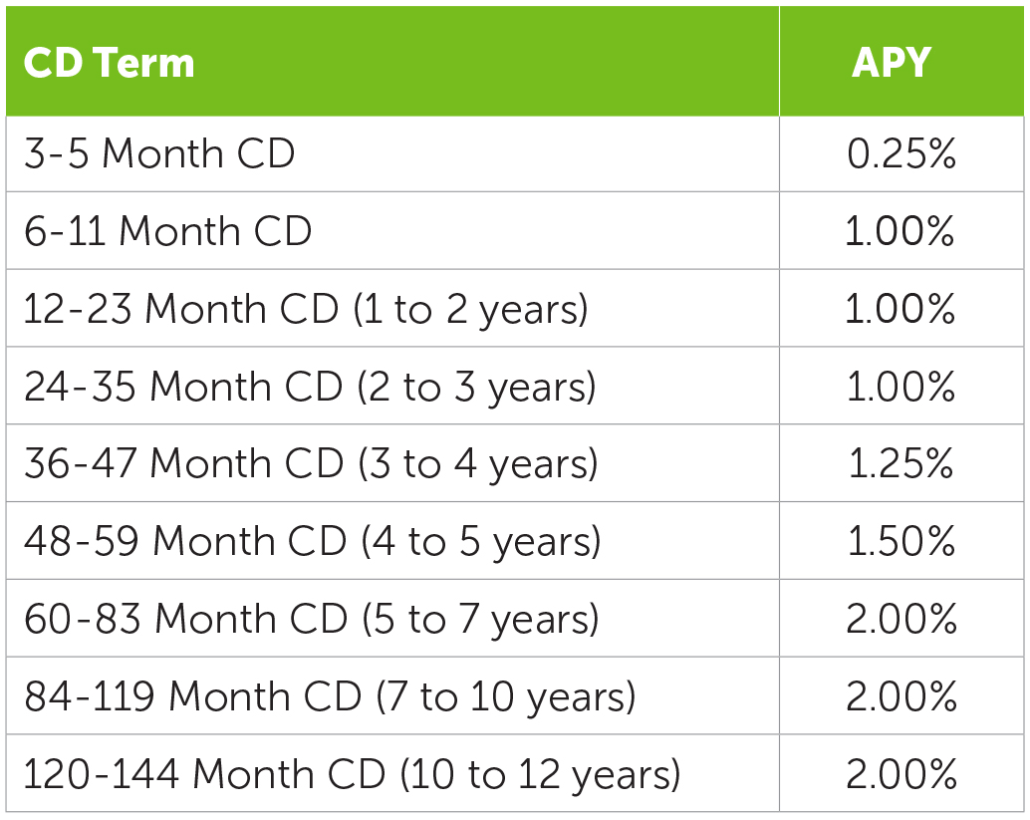
Lousy 1% Bank CD Rates Got You Disgusted? 
    You want safety so you buy a bank CD.  Currently rates are at 1% or so….at that rate you’re not even keeping up with inflation….not to mention taxes on what little gains you have.

Earn 4% With Safety
    
Right now you can earn 4% for 5 years
on your money in a Safe, Guaranteed Annuity.   
Pretty simple,,,on $100,000 in 5 years:
With Bank CD:
     $1,000
With 5 Year 4% Guaranteed Safe Annuity    
$4,000 

a 400% increase in return compared to current bank CD rates…GUARANTEED!!

You Snooze You Lose 
I’m surprised these rates are still available!!   As a mentor of mine taught me years ago…..

You can’t steal in slow motion….

If you want to lock in 4% better move fast!!!

Profit From Market Upsides And
Eliminate Losses From Downturns

        The product above can give you a guaranteed
rate for 5 years WITH SAFETY  that FAR exceeds bank CDS.

        If you’d like to have the possibility of earning higher rates, there  are equity indexed
annuities that give you the opportunity to lock
in stock market gains without any stock market losses.

     Rather than wring your hands over low rates, continue to do  nothing and/or live in
constant fear…you can  implement simple, safe,
proven strategies that  can give you access
to all market upsides and eliminate any losses
from market downturns.

     Over the last 20 years I’ve helped HUNDREDS
of people and business owners create safe plans
that allow them to grow their assets, generate
tax free income streams at retirement (and have
their business pay for it…legally) and as a result,
sleep worry free when the markets gyrate.

For all the details WATCH THIS VIDEO

or to get info even faster

 Call right now to set up a time to discuss how I  can help
312-505-1957

Remember…
Things don’t get better with neglect…..”

Talk Soon

Kevin Pritchett, Esq
Law Office of Kevin Pritchett
312-505-1957

P.S. 
WATCH THIS VIDEO then
Call to set up a time to discuss how I  can help
312-505-1957

What Is A ‘Power of Attorney For Property’ And Why You Need One

Just south of ‘Sawmill Creek…..
Hi Attorney Kevin Pritchett here

“What Is A Power of Attorney For Property?”   
  A Power of Attorney For Property is a document you sign that gives the person you designate the power to handle business matters for you in the event you are unable to make decisions for yourself.

     A Power of Attorney For Property is only applicable while you are incapacitated and alive. Once you become able to handle your affairs, the person named is no longer entitled to handle your affairs.  Alternatively if you die, the document is no longer valid.

“Ok..But Why Do I Need A Power of Attorney For Property?”
    Glad you asked!!      Let’s assume you have dementia and are no longer possessed of a mental state considered necessary to knowingly handle your business affairs.  In other words, in this example, you do not have the mental capacity to transact your business affairs. 

       With a valid Power of Attorney For Property
the person you name in that document to handle your business affairs can carry on for your benefit without your heirs having to file a petition in Probate Court to be named as a guardian.

Eliminates The Expense And Delay of Probate
     Without this Power of Attorney For Property in the same situation above, your family would have to file an expensive and time consuming petition with Probate Court for someone to be named administrator or guardian so as to transact your business. 

Besides the expense of hiring a Probate Attorney ($2500 to $5,000 minimum Retainer plus ongoing hourly legal fees), the case could take 12-18 months to resolve.   Add THAT potential cost up at $375/hour!!!

Reach Out To Me If You Have Questions.  
If you have comments or questions about any of this…send me an email :
ironkop@gmailcom
or if reading on my blog or Facebook page leave your questions or comments below.

Remember…..
Things Don’t Get Better With Neglect…..”  

Kevin Pritchett, Esq
Law Office of Kevin Pritchett, Inc
ironkop@gmail.com
www.KevinPLaw.com
312-505-1957

” Will Social Security Run Out Of Money?”

Just south of ‘Sawmill Creek…..
Hi Attorney Kevin Pritchett here
     Before I answer the question of

Will Social Security Run Out?

I have to explain how Social Security is funded and hence how you are taxed for it.

How Much  Social Security Tax Will You Pay?   
Social Security taxes are paid on amount of all wages earned.  In 2018 the maximum income for social security tax is $128,400 and the maximum tax on that amount is 6.2%.  So if someone earned the maximum of $128,400 they would pay $7960.

Medicare Tax
    There is an additional 1.45% tax to fund Medicare.  This tax is uncapped so no matter what your earned income you pay this 1.45%.

     If you earn over $200,000 you pay an additional 9% for single filers and heads of households and that 9% is assessed on earned income over $125,000 for married filers filing separately and over $250,000 for married couples filing jointly.

Employers Social Security and Medicare Contributions
   
In addition to the part employees pay Employers pay 12.4% of employees salary for Social Security and  2.9% for Medicare.

Self Employed Contributions
  
Self employeds who earn $128,4400, or more
would have to pay the whole $15,921.60.

However, these self employeds can deduct half of the
Social Security taxes paid to reduce their
adjusted gross income. 

Projected Social Security Trust Fund Shortfall
     Here’s the issue regarding your retirement planning…according to Social Security Administration due to rising costs and diminished revenues, by 2034 there will be projected shortfall in the Social Trust Fund. 

     As a result either benefits will be reduced ortaxes will be increased…neither situation is good news.

Take Home Message On Social Security 
DON’T RELY ON SOCIAL SECURITY ALONE FOR YOUR RETIREMENT NEEDS!!!!

    You need to plan your savings so that you receive GUARANTEED, LIFETIME INCOME  no matter what SOCIAL SECURITY OR STOCK MARKET DOES!!!

     Don’t believe me……just talk to any number of your friends who are still working past 65 because they lost money in the 2008 recession!!!

    There are things you can do to protect your retirement income…

Reach Out To Me If You Have Questions. 
If you have comments or questions about any of this…send me an email :ironkop@gmailcom
or if reading on my blog or Facebook page leave your questions or comments below.

Remember…..”Things Don’t Get Better With Neglect…..”

Kevin Pritchett, Esq
Law Office of Kevin Pritchett, Inc.  
ironkop@gmail.com
www.KevinPLaw.com
312-505-1957